
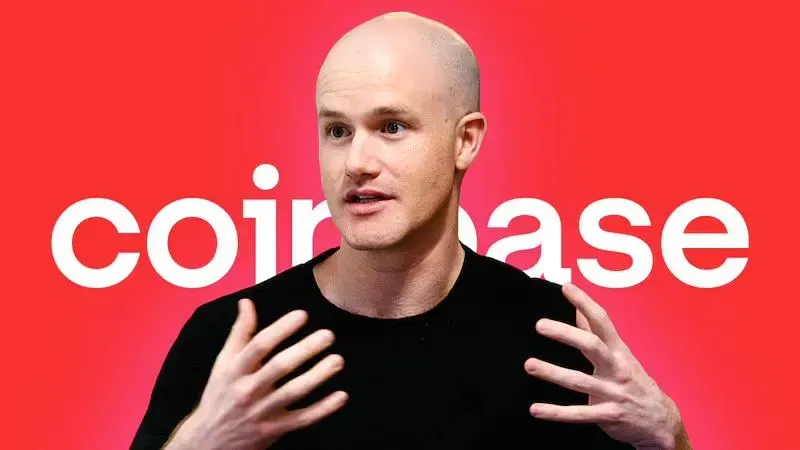
Coinbase CEO Brian Armstrong sought to calm rising fears about quantum computing, arguing that advances in the technology do not pose an immediate threat to blockchain security. During a recent appearance on CNBC, Armstrong said the industry has already begun preparing for a future shaped by quantum breakthroughs.
He stressed that developers, exchanges, and researchers continue to coordinate on long-term solutions designed to safeguard digital assets against potential cryptographic disruption.
Coinbase Steps Up Quantum Preparedness
Armstrong explained that Coinbase maintains active dialogue with major blockchain networks about transitioning toward post-quantum cryptography. He noted that engineers across the sector already explore upgrade paths that would strengthen encryption standards. Consequently, he framed the issue as manageable rather than existential.
Additionally, Coinbase recently formed an advisory board focused on quantum computing research. The group will evaluate technological progress and publish guidance on emerging risks.
Moreover, it will provide recommendations to blockchain organizations and respond quickly if credible threats appear. Armstrong emphasized that early planning reduces uncertainty and supports investor confidence.
Besides its internal preparations, Coinbase continues to monitor academic and private-sector quantum research. Armstrong suggested that practical quantum threats remain years away. Hence, he believes the industry has sufficient time to coordinate defensive upgrades.
Industry Voices Raise Concerns
However, several prominent figures have voiced caution. Investor Kevin O’Leary recently warned that quantum fears could slow institutional allocations to Bitcoin. He argued that uncertainty over encryption resilience may deter risk-averse capital.
Significantly, Ethereum co-founder Vitalik Buterin has urged developers to accelerate quantum-resistant solutions. He views long-term cryptographic durability as critical for network stability. Meanwhile, Jameson Lopp of Casa has estimated that a full Bitcoin migration to quantum-resistant addresses could require many years of coordination.
These perspectives reflect broader debates about how quickly blockchain systems can adapt. Consequently, investors continue to weigh technological innovation against structural risk.
Legislative Debates and Market Structure
During the CNBC interview, Armstrong also addressed regulatory developments in Washington. He discussed ongoing negotiations around U.S. crypto market-structure legislation and stablecoin policy. Moreover, he supported the Commodity Futures Trading Commission’s authority over event contracts.
Armstrong acknowledged Coinbase opposed an earlier draft of the CLARITY Act due to concerns over stablecoin reward treatment. However, he said those objections reopened constructive dialogue with lawmakers. Additionally, he expressed confidence that policymakers could reach a compromise in coming months.
Consequently, Armstrong positioned Coinbase as both a technological participant and a regulatory stakeholder. He argued that proactive engagement, rather than fear, will shape crypto’s long-term resilience in a quantum era.
News#Coinbase #CEO #Quantum #Risk #Blockchain #Solvable1771515561
