
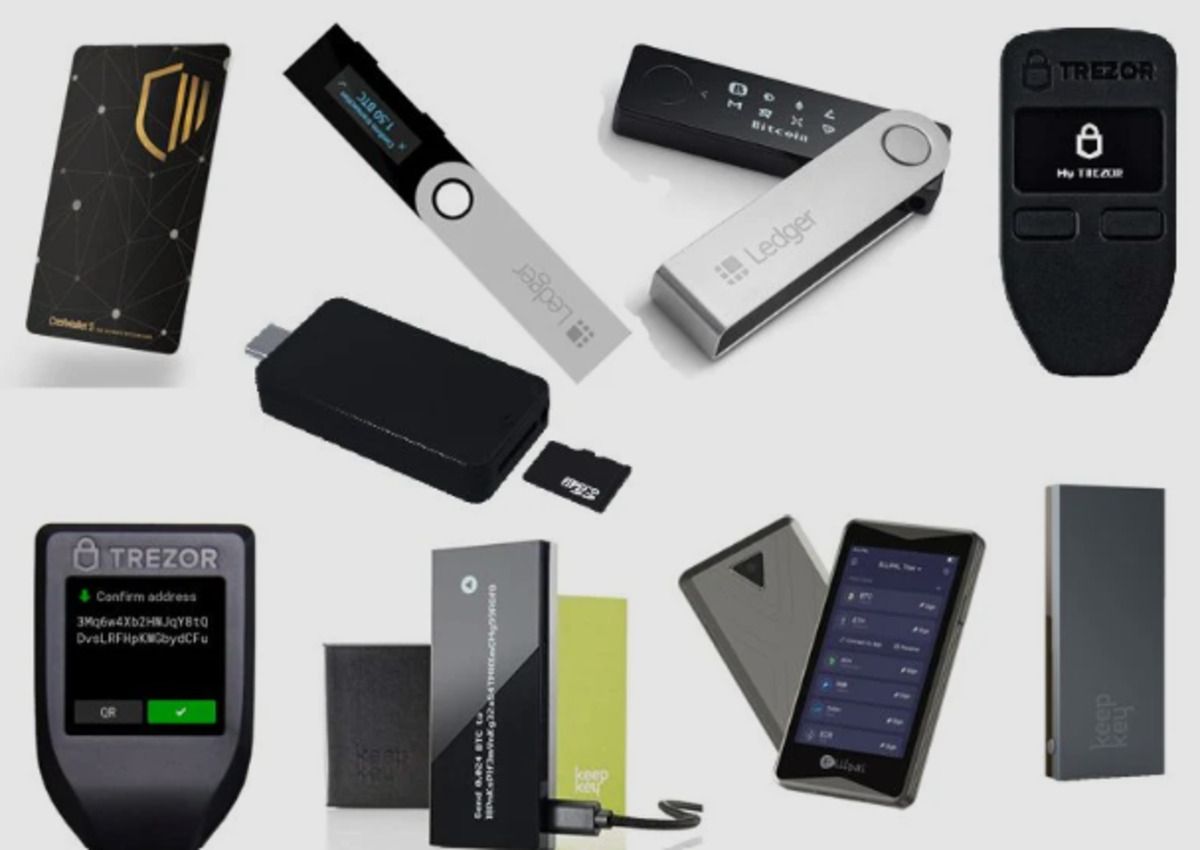
Crypto hardware wallets are still the most trusted way to protect your digital assets from online threats like hacks and phishing. These cold storage devices store your private keys offline, meaning they never touch the internet — giving you maximum control over your Bitcoin, Ethereum, NFTs, and other tokens in 2026:
- Ledger Nano X – Secure Bluetooth wallet for mobile users
- Ledger Stax – Premium touchscreen wallet with modern design
- Trezor Model T – Open-source wallet with color touchscreen
- Trezor Model One – Affordable beginner-friendly open-source wallet
- SecuX V20 – Touchscreen wallet with Bluetooth connectivity
- Bitkey Multisig Wallet – Bitcoin-only wallet with multisig security
- Tangem Wallet – Seed-less NFC card-style hardware wallet
- OneKey Pro – Advanced wallet with touchscreen and wireless support
1. Ledger Nano X

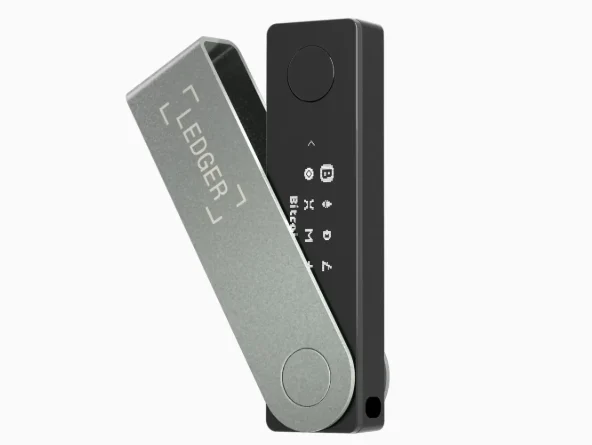
Description: The Ledger Nano X is a flagship hardware wallet known for combining strong security with mobile convenience. It uses Ledger’s Secure Element and BOLOS OS to keep private keys safe offline, supports thousands of cryptocurrencies, and connects via Bluetooth or USB-C. Its seamless integration with Ledger Live allows users to manage assets, stake, buy/sell, and track portfolios across devices.
Pros:
-
Wide support for 5,000+ assets
-
Bluetooth and mobile support
-
Strong Secure Element protection
Cons:
-
Requires Ledger Live for full functionality
-
Closed-source elements
Approx. Price: $99
2. Ledger Stax
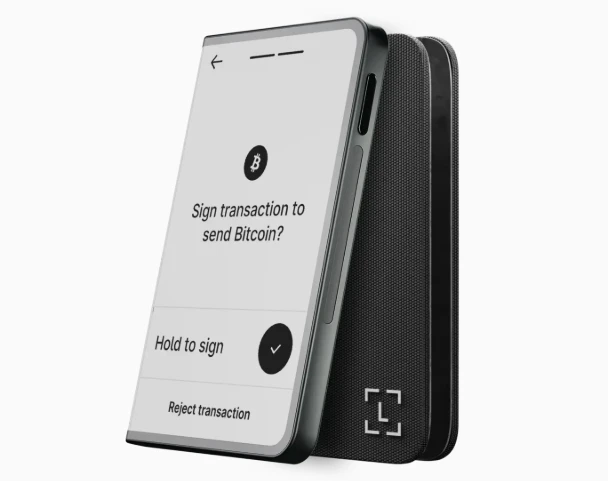
Description: Ledger Stax is Ledger’s premium hardware wallet featuring a large E-ink touchscreen and modern design for intuitive navigation. It retains Ledger’s strong security architecture with a Secure Element and BOLOS OS and supports thousands of coins and NFTs. Stax also connects via Bluetooth and USB-C, making it ideal for investors who want both cutting-edge usability and robust protection.
Pros:
-
Big touchscreen for easy use
-
Bluetooth + USB-C connectivity
-
Massive coin support
Cons:
-
Higher price compared to other Ledger models
-
Battery needs regular charging
Approx. Price: $399
3. Trezor Model T
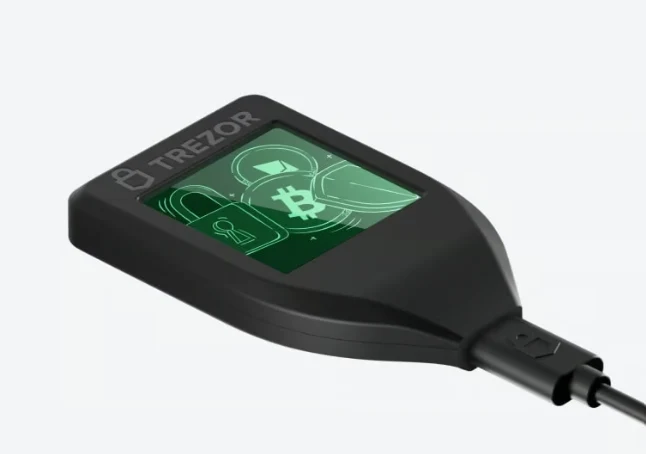
Description: The Trezor Model T is Trezor’s premium open-source wallet with a full-color touchscreen and USB-C port. Its open-source firmware ensures transparency and auditability for security-conscious users. It supports a broad range of cryptocurrencies, and the Trezor Suite interface simplifies portfolio tracking and key management without sacrificing control or safety.
Pros:
-
Fully open-source firmware
-
Touchscreen makes setup easy
-
Strong security philosophy
Cons:
-
USB-only (no Bluetooth)
-
Slightly pricier than basic devices
Approx. Price: $129
4. Trezor Model One
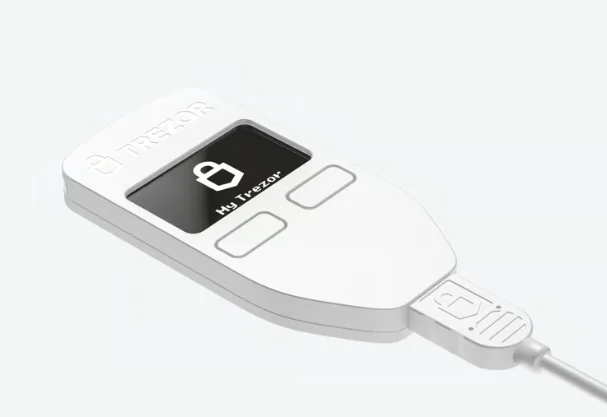
Description: The Trezor Model One remains one of the most trusted entry-level hardware wallets, ideal for beginners. It features Trezor’s open-source firmware and supports many major coins and tokens. While it doesn’t have a large touchscreen, its simple two-button navigation and Trezor Suite integration make it a reliable, budget-friendly choice for secure cold storage.
Pros:
-
Affordable for beginners
-
Open-source and transparent
-
Easy setup and use
Cons:
-
Basic display and no touchscreen
-
Fewer advanced features than premium models
Approx. Price: $49
5. SecuX V20
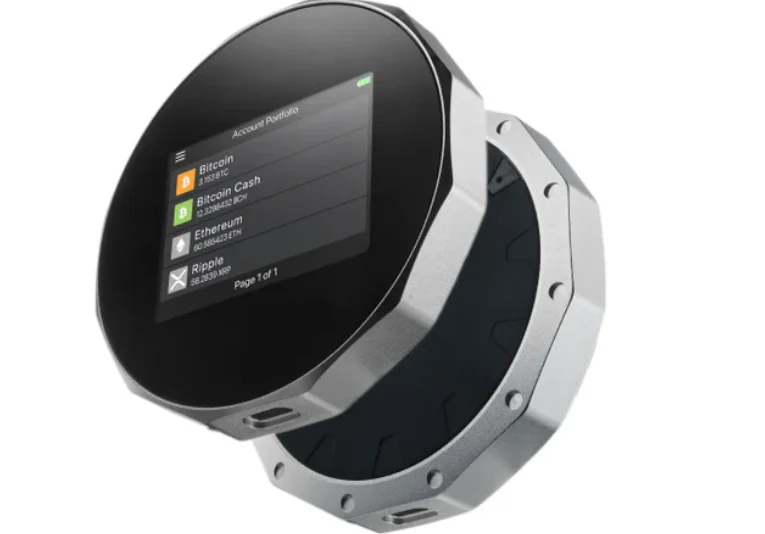
Description: The SecuX V20 is a mid-tier hardware wallet offering a clear touchscreen and Bluetooth connectivity for convenient on-the-go use. It supports a wide variety of coins and tokens and uses PIN protection and encrypted storage to secure private keys offline. With its interface and wireless support, SecuX blends usability with strong security.
Pros:
-
Large touchscreen display
-
Bluetooth connectivity
-
Good coin support
Cons:
-
Less brand recognition
-
Mixed user feedback compared to Ledger/Trezor
Approx. Price: $139

6. Bitkey Multisig Wallet
Description: Bitkey, developed by Block, focuses on Bitcoin using a multisignature setup that enhances security and recovery options. With a hardware component and mobile app coordination, Bitkey gives users a unique approach to securing Bitcoin with added redundancy and inheritance planning features — especially useful for long-term holders.
Pros:
-
Multisig for enhanced security
-
Built-in recovery and inheritance options
Cons:
-
Designed primarily for Bitcoin
-
Limited multi-chain support
Approx. Price: $215
7. Tangem Wallet
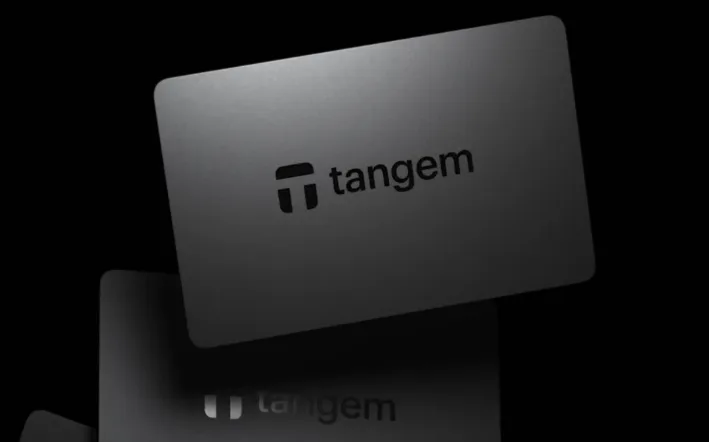
Description: Tangem Wallet uses NFC and a seed-less design where private keys are stored in a secure embedded chip on a contactless card. Managed through a mobile app, this card-style wallet supports thousands of assets and eliminates the complexity of seed phrase backups. Its simplicity and portability make it an excellent beginner-friendly hardware solution.
Pros:
-
Seed-less and easy to use
-
NFC contactless design
-
Supports 14,000+ assets
Cons:
-
Requires NFC-enabled phone
-
No built-in screen
Approx. Price: $54 – $180
8. OneKey Pro
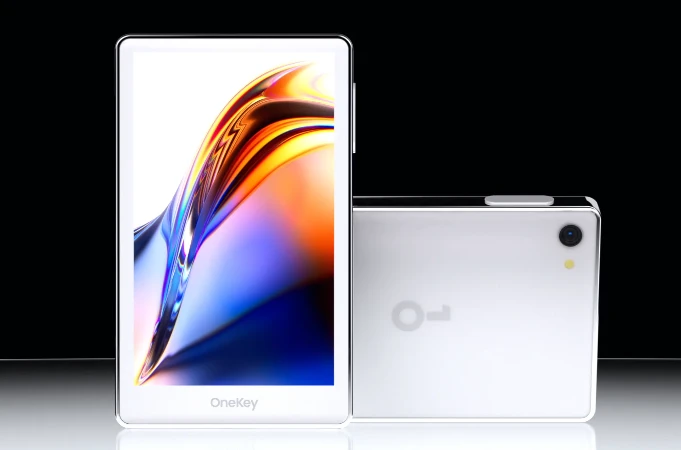
Description: OneKey Pro is a feature-rich hardware wallet with Bluetooth and USB-C connectivity, touchscreen support, and strong coin compatibility. It includes encrypted passphrase support and integrates with portfolio management apps. While it offers advanced tools and a polished UI, some users report mixed reliability — making it better suited to experienced users.
Pros:
-
Broad asset support
-
Bluetooth + USB-C connectivity
-
Advanced security features
Cons:
-
Mixed user reviews
-
Relatively higher price
Approx. Price: $278
Conclusion
In 2026, the hardware wallet landscape continues to mature, offering strong choices for every investor — from beginners seeking simplicity to advanced users demanding robust multisig options. With the wallets above, you can rest assured your crypto keys are protected offline and under your control.
Learn#Top #Crypto #Hardware #Wallets1767964221
